The montane cloud forests, which thrive at higher elevations, are among the most important habitats in the region. These dense, moisture-rich forests serve as a critical refuge for the critically endangered black rhino (Diceros bicornis), which depends on the thick undergrowth for cover and food. The African elephant (Loxodonta africana), a keystone species, also frequents the cloud forests, where they play an essential role in shaping the landscape by clearing paths and dispersing seeds. Other forest-dwelling species include leopards (Panthera pardus), which stealthily navigate the dense vegetation, and colobus monkeys (Colobus guereza), which leap between the high canopy. The forest floor is teeming with giant forest hogs, bushbucks, duikers, and porcupines, while the air is filled with the calls of rare and endemic bird species, including the Abyssinian crimsonwing and Hartlaub’s turaco.
The wetlands and water sources scattered throughout the Chyulu Hills play an essential role in sustaining the region’s biodiversity. Seasonal rivers and underground aquifers provide drinking water for elephants, buffalo, and other herbivores, while attracting hippos and crocodiles in areas where permanent water bodies exist. These water sources also serve as breeding grounds for numerous amphibians and aquatic birds, including kingfishers, herons, and the African fish eagle.
The combination of these diverse habitats makes the Chyulu Hills one of the most important conservation areas in Kenya. Its unique ecosystem not only provides a sanctuary for threatened species but also ensures the survival of a delicate balance of wildlife, each dependent on the landscape’s forests, grasslands, woodlands, volcanic formations, and wetlands. Conservation efforts, such as those under the Chyulu Hills REDD+ Project, play a crucial role in protecting this remarkable ecosystem from threats like deforestation, poaching, and climate change.
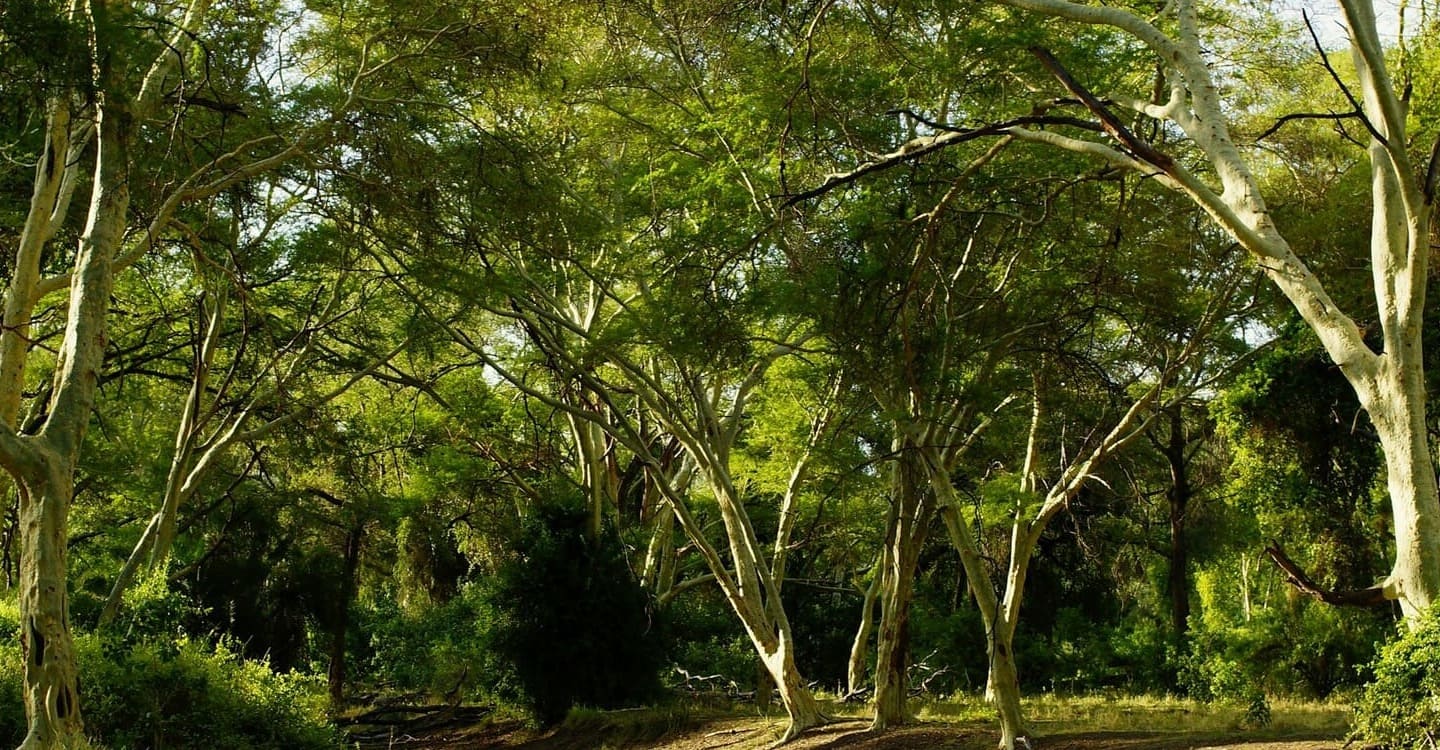
The Ecosystem
The Chyulu Hills ecosystem is home to an extraordinary range of habitats, each supporting a rich diversity of wildlife, including several endangered and critically endangered species.