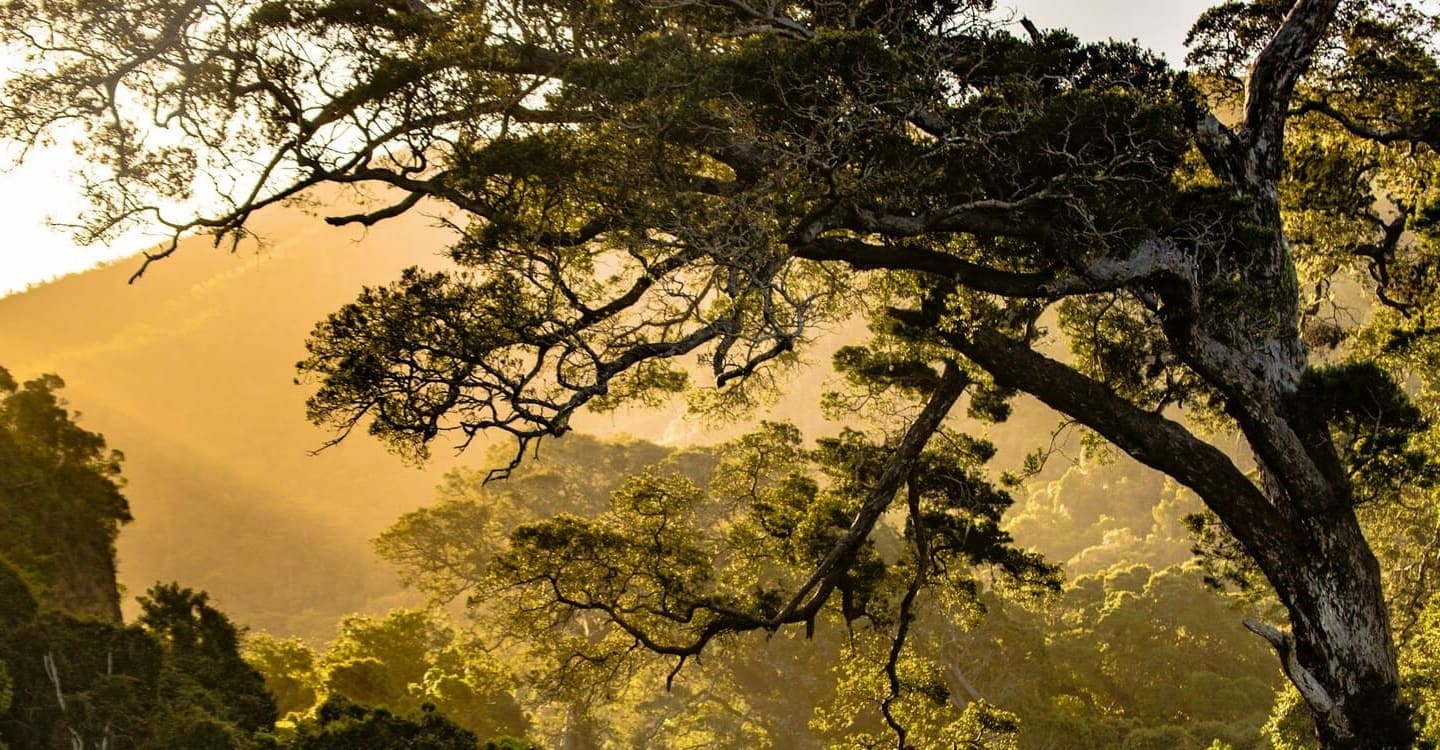
Beneath the Chyulu Hills lies a vast underground aquifer that replenishes Mzima Springs, a key water source for Mombasa. This aquifer also supports major rivers, including the Tsavo, Athi, and Galana, which are essential for both human and ecological well-being. Additionally, it sustains local agriculture and livelihoods by mitigating drought impacts through gradual water release.
Despite its importance, the Chyulu Hills Water Tower faces growing threats from deforestation, land degradation, and unsustainable land use practices such as charcoal burning and overgrazing. These activities reduce groundwater recharge, increase erosion, and diminish water retention. Climate change further exacerbates the situation by disrupting rainfall patterns and prolonging droughts, endangering both the environment and the communities that depend on this critical resource.